
Summer is finally here — and honestly, I think that’s wonderful.
Children need time to relax, play, explore, visit family, stay up a little later, and simply… enjoy being kids.
I don’t believe summer should turn into school at home. However, there is something important parents should know about: the summer slide (sometimes called summer learning loss or summer amnesia).
In simple terms, children can forget some of the things they learned during the school year when they go long periods without practicing them. This doesn’t affect every child equally, but for children who were already struggling with reading, math, spelling, or writing, summer can sometimes make things worse, or widen those gaps.
The good news, though, is that you do NOT need hours of formal lessons to prevent it.
In fact, a few small habits and short, consistent activities can go a very long way.
So, let’s go through some great summer learning apps, activities, books, and ideas to help children maintain skills during the summer — without ruining summer.
Let’s start with apps!
*Affiliate Disclosure: Some of the links may be affiliate links, meaning that I could get a small commission at no additional cost to you. This helps support the platform and allows me to continue creating free content.
IXL
This is one of the most comprehensive educational platforms out there.
It covers:
- Math
- Reading
- Language Arts
- Science
- Social Studies
- Spanish
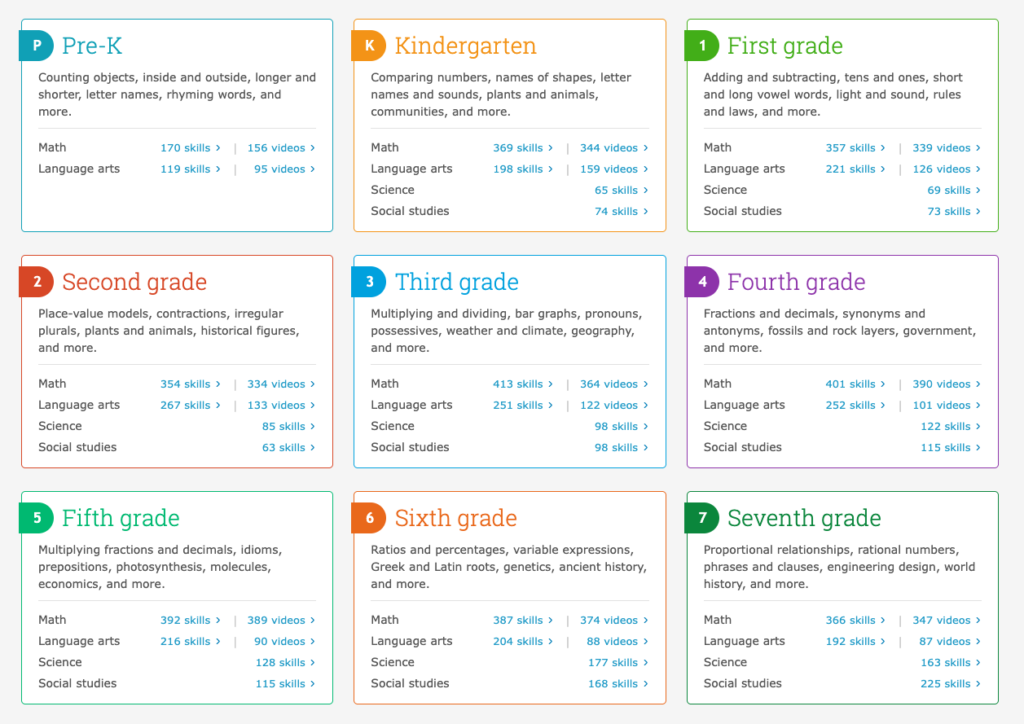
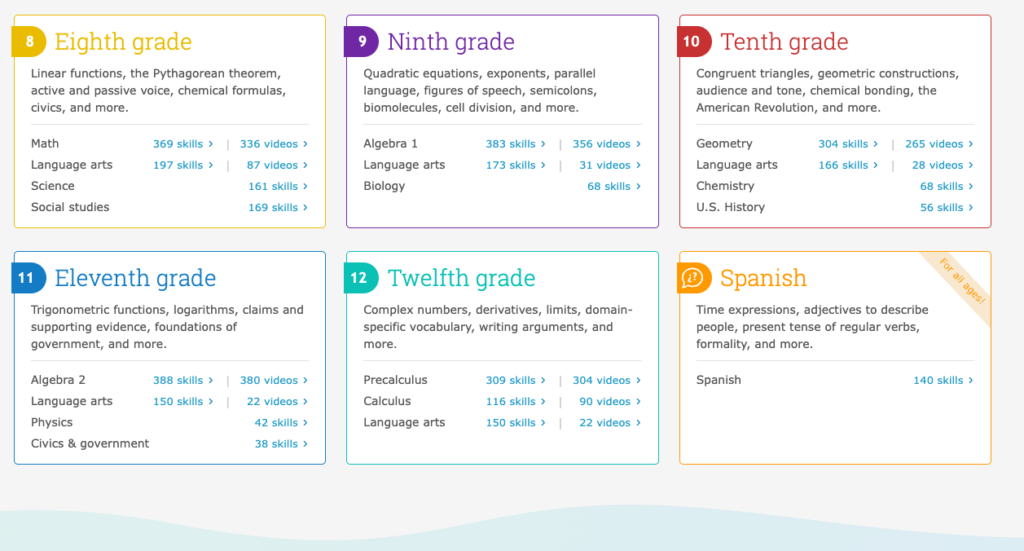
It covers learners from Pre-Kindergarten through 12th grade, with custom-built skill alignments that connect to your specific state standards.
We’ve personally used IXL in our house for years, especially for math practice. In fact, for us, their math unit has proven to be the most useful.
That immediate corrective feedback can be incredibly helpful. I also really like their built-in video tutorials that explain concepts.
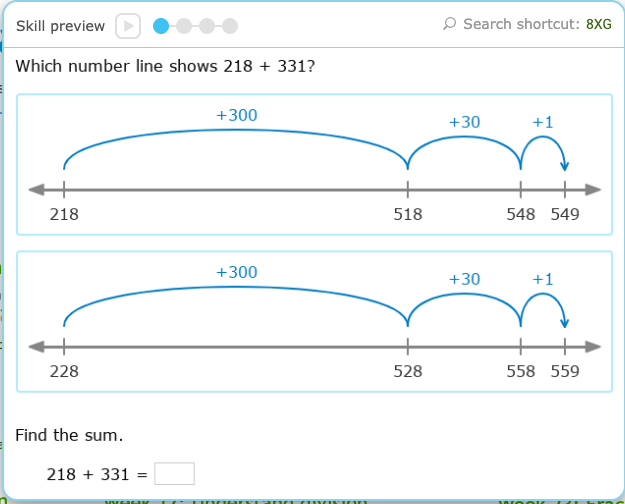
What I particularly like about it is how easy it is to target very specific skills. Children can preview explanations before starting activities, and when they make mistakes, the platform provides detailed step-by-step explanations on how to get to the correct answer instead of simply saying it’s “incorrect.”
On top of that, for homeschooling families, their Diagnostic Assessment tool for Math and English Language Arts (ELA) can be extremely useful.
What does IXL stand out for?
- Math reinforcement
- Skill review
- Homeschool support
- Summer practice
- Comprehensive platform
- Alignment with specific state standards
Pricing, Subscription Options and How to Get Started
IXL offers monthly and annual plans. Monthly plans start at $9.95/month for one subject. However, they also offer family plans, and multi-subject plans.
SPECIAL IXL SUMMER PROMO!
25% Summer Discount until June 30th!
Reading .com
If your child is learning to read and especially struggling with blending sounds together, Reading. com is one of my favorite literacy apps.
This app is based on Direct Instruction principles and is extremely structured and step-by-step.
One thing to understand is that this is NOT designed for completely independent use. It’s intended for adults and children to work together.
However, for beginning readers and children struggling with the early stages of reading, I think it’s fantastic.
It genuinely made a difference for my second child. Their sliders are an excellent translation of this (see picture below) into the digital world. They truly help children develop the skill of blending sounds, one of the pillars of early reading development.
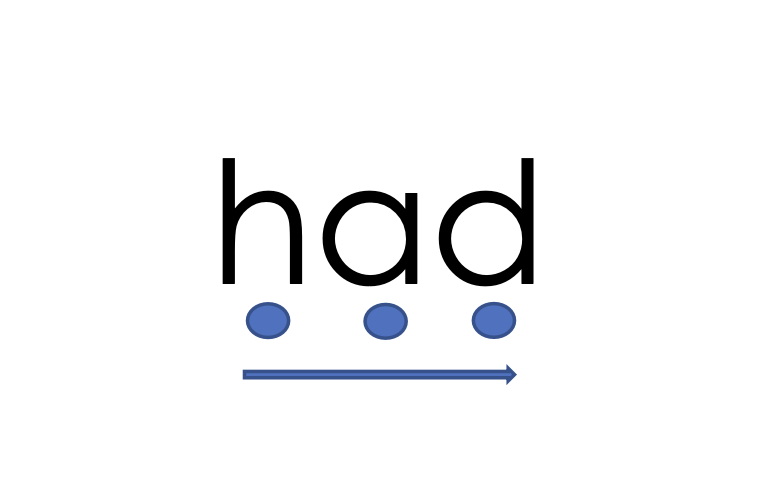
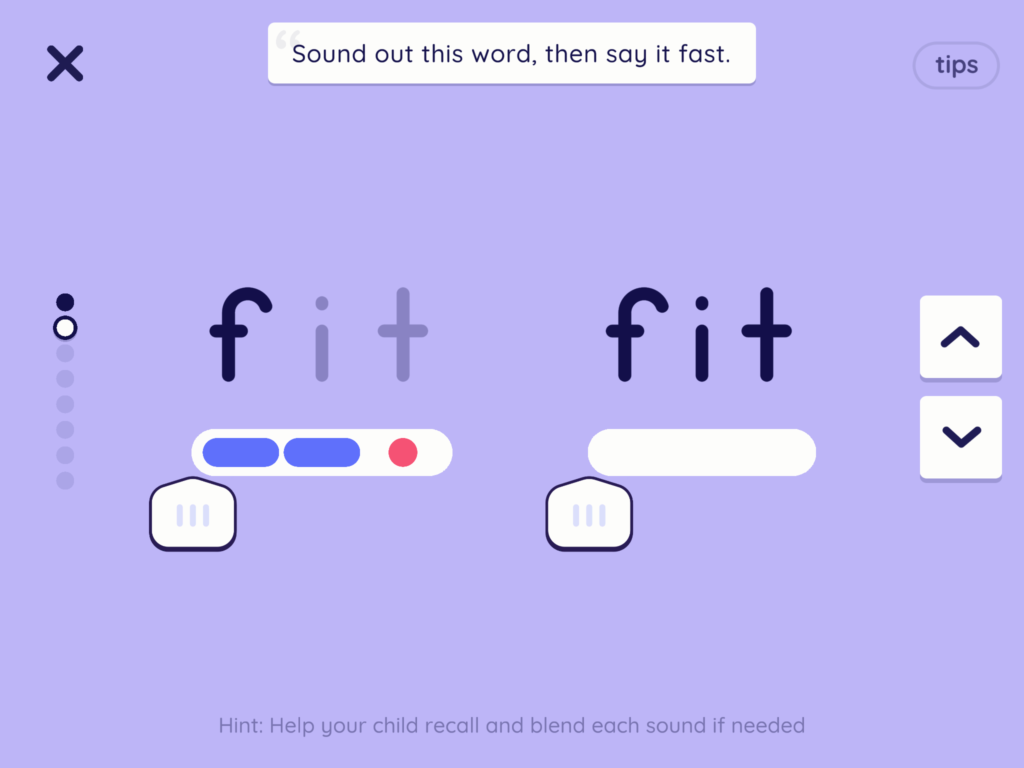
If you want to learn even more about this app, I have a full review of the app here, explaining our experience with the app. You can check it out here!
What does Reading.com stand out for?
- Beginning readers
- Children struggling with blending
- Children up to around 2nd grade
How much does Reading.com work?
This app costs around $19.99/month. However, annual plans are available at a lower monthly cost.
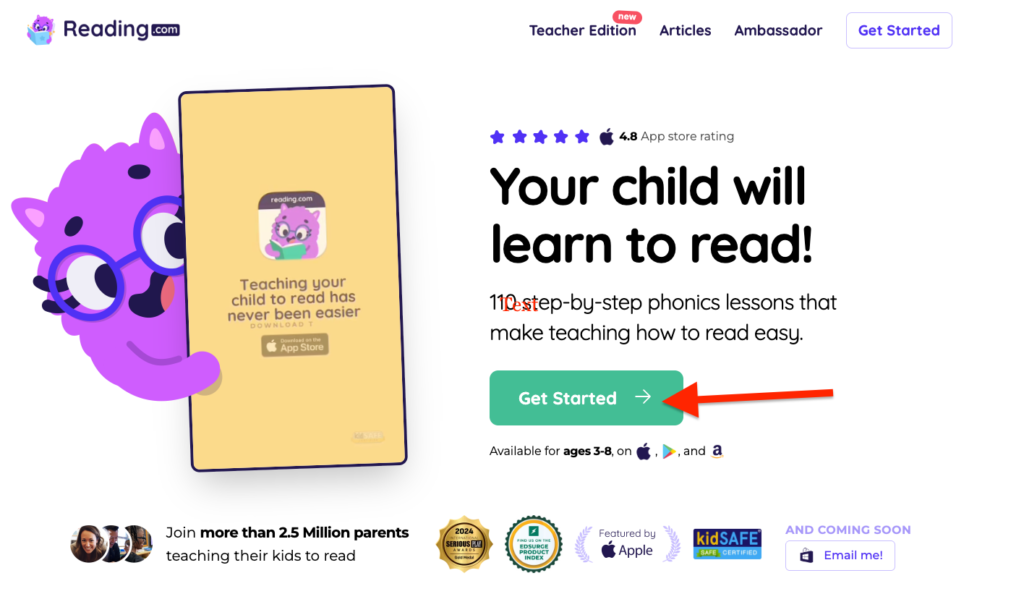
Besides, at the time of writing, you can unlock a 50% OFF when you go through their survey, after clicking on the “Get Started” button.
Lots of information in this article? No problem!
Download a summary of this article below, so you can come back to it anytime!
Khan Academy Kids
Another app for the little ones, from preschool through second grade.
If you’re looking for a completely free educational app, Khan Academy Kids is worth considering.
It includes activities in:
- Reading
- Math
- Problem-solving
- Creativity
- Early learning
With a playful and engaging design, it offers a safe and educational virtual environment for the little ones (no ads)… even if it’s free.
Best for:
- Preschoolers
- Kindergarteners
- Younger elementary students
Pricing:
- Free
Readability Tutor
Readability Tutor is essentially like having a digital reading tutor at home.
The app uses Artificial Intelligence and Voice Recognition technology to listen to your child read aloud on the app, providing corrective feedback when mistakes happen.
While reading on the app, children can tap unfamiliar words to hear pronunciations and meanings, as well as add words to a vocabulary lists.
After reading, children answer comprehension questions.
Parents can get access to detailed progress reports, including reading accuracy, reading speed, and time spent reading.
What does Readability Tutor stand out for?
The Readability Tutor app gives children additional reading practice in a low-pressure environment.
Many struggling readers feel extremely anxious reading in front of adults. This app allows them to practice more independently while still receiving support.
It’s a very tool for families looking to give their kids additional guided reading practice at home, making it ideal for:
- Struggling readers
- Dyslexic learners
- Reading fluency practice
Pricing:
- 30-day free trial
- Around $19.99/month afterwards
Ello
Ello is somewhat similar to Readability Tutor. The idea is the same: your child reads on the app and the app corrects mistakes.
So what makes it different?
Well, the main two differences I’ve seen are:
- It has a more playful design (more suited for younger children)
- Children work through what they call “reading quest” and structured lessons while receiving support and correcive feedback as they read.
Important note about Ello: By design, their corrective software won’t correct all mistakes (only when they get really stuck). This is not to overwhelm children. It relies more on children tapping unfamiliar words or tricky words. I recommend that, at least during the first sessions, you use the app with your child to familiarize yourself with their system.
How much does it cost?
Around $14.99–$16.99/month depending on the plan.
LingoKids
If you have a young English Learner or an ESL (English as a Second Language) student, the Summer is a great time to work on their English skills… and Lingokids is truly fantastic app them!
It uses games, songs, stories, and fun characters to build vocabulary and language skills in a very engaging way. However, while the content in LingoKids is engaging, it’s never overstimulating or unsafe.
I think it’s especially suited for English learners and children up to around age eight or nine. After that age, it may feel too childish.
On top of that, native English speakers can also benefit greatly from the app for:
- Vocabulary acquisition
- Engaging age-appropriate content you can even enjoy offline (it’s like a safe YouTube alternative for the little ones)
- Games and activities that build early literacy and numeracy skills

I have a full review of LingoKids. Check it out here!
What Does Lingokids Stand Out For?
What makes Lingokids particularly stand out is its focus on quality and safety. It offers a strong English curriculum, developed in collaboration with Oxford University Press.
The app combines games, songs, stories, and interactive activities in a very engaging and child-friendly way, making learning feel playful rather than academic.
I also appreciate features like offline access, screen time controls, and the fact that it offers a safe, ad-free environment for younger children.
How much does LingoKids cost?
At the time of writing, LingoKids is $13.49/month with their (monthly subscription), or $5.99/month (annual plan).
They also offer a 7-day free trial.
Now, if you’d rather limit screen time during the summer, don’t worry. There are plenty of other options.
Books and Workbooks
Reading books and summer workbooks (setting time aside every day or almost every day to work a little on a summer workbook) are simple things to do, but very effective too!
Let’s start with books.
Books
If your child is still learning the letter sounds, you probably know that I’m the author of “The ABC Sound Book: Playful Phonics Stories for Every Letter.”

The purpose of that book is to help children learn letter sounds through playful stories, repetition, and rhyme.
So if you’re currently working on letter sounds, that’s definitely one option.
But if your child is beyond that stage, honestly, just find books they’ll enjoy. The goal isn’t to read a specific book. The goal is to read.
For instance, at this point, my daughters are obsessed with graphic novels. Series like:
Baby-Sitters Little Sister
The Baby-Sitters Club
Dog Man
Cat Kid Comic Club
Katie the Catsitter
And similar books are huge hits in our house at the moment.


- Item #:NTS860334
- ISBN13:9781338603347
- Format:Boxed Set
- Pages:1456
- Grades:2 – 5

And that’s perfectly fine. Children don’t become readers by only reading books adults think they should read. They become readers by reading books they want to read.
So, go to the library. If you can, make it a weekly tradition.
Let your child browse, explore, and choose their own books.

If you can’t go to the library so often, another option is Epic! However, again, we’re talking about screens and technology here.
What is Epic!?
Epic! is a giant digital library for kids with thousands of books covering different interests and reading levels.
They also have audiobooks, which can be a wonderful option for children who enjoy listening to stories.
While limited, there’s even a free-forever version of the app, so worth taking a look.
Summer Workbooks
My recommendation would be to think about whether you want a general grade-level review workbook (where you go over what’s been covered during the school year in your child’s grade), or you’d rather focus on targeting a specific skill.
For example:
- Times tables
- Reading fluency
- Spelling
- Handwriting
Whatever skill has been especially tricky for your child, or you think he/she could easily forget about during the summer…
For example, if you have a third grader, he/she most likely learned times tables during the school year. This is such a key skill that you may want to make sure they don’t forget all about them during the long summer break. If reading has not been a problem, you could just focus on a workbook that goes over times tables and make sure that your child reads a book that he/she enjoys every day.
The goal isn’t to recreate school at home.
Ten or fifteen focused minutes a day is often more than enough to keep skills fresh.
For a good selection of summer workbooks, you may check out this shop (specialized in educational materials), or, of course, the many options available on Amazon.
Now, if your child needs even more targeted support, let’s talk about tutoring.
Tutoring
I’m going to focus specifically on reading tutoring programs because that’s what I know most about.
The main challenges parents face with tutoring are:
1) It can get expensive
2) Finding the right tutor is not easy.
Two tutoring programs that may be worth looking into are the ones offered by The Reading Development Institute and Savvy Learning.
However, I want to be fully transparent here: I haven’t personally used either of these programs. However, I’ve heard positive things about both.
The Reading Development Institute
The Reading Development Institute offers summer programs as well as ongoing support during the school year.
So, if your child needs extra help with reading, their summer programs may be worth exploring.
They offer both 4-week and 8-week bundles.
Their live sessions are held online with an expert literacy teacher and a maximum of 6 students.
They offer support from Pre-K through 12th grade, and their programs focus on phonics, comprehension, vocabulary, speed reading, and study skills.
If interested in their summer program, I’d say don’t wait too long because spaces in their classes are limited. Check them out here.
PROMO CODE FOR MY AUDIENCE!
The National Reading Institute has kindly offered the Learning Reading Hub’s audience a $25 discount.
Use the promo code ‘Readinghub’ on their site.
On top of that, avail of their Special Summer Offer, which comes with:
4 extra eBooks for Pre-K–5th grade
A personalized reading report
An additional $50 off fall enrollment
For a limited time, get a free 1:1 reading lesson with their child’s teacher.
Savvy Learning
One thing I particularly like about Savvy Learning’s philosophy is their focus on consistency. Many of their tutoring packages involve working with the same tutor multiple times per week.
And honestly, as I’ve said many times already, consistency truly matters.
It’s usually much better to do a little bit every day than A LOT all at once. For example, four 30-minute sessions spread throughout the week will often be more effective than one long two-hour session.
Small amounts of focused practice add up.
If you’d like to learn more about Savvy Learning’s tutoring options, check out their website here.
Finally, don’t underestimate the power of games and simple projects!
Games and Projects
Some of the most meaningful learning happens outside formal lessons, and summer is the perfect season for this kind of natural, real-world learning.
- Write postcards to grandparents and friends
- Keep a summer journal
- Create a scrapbook from a family trip
- Play board games
If you’re working on reading skills, I absolutely love phonics games. I have several videos on the Learning Reading Hub YouTube channel where I share with you some of my favorites. For instance, Blah Blah Blah.
And if you’re working on early math skills, even simple games involving dice can be incredibly helpful.
Games like Snakes and Ladders naturally reinforce counting skills.
For addition and mental math, one math game our family genuinely loves is Pelusas.
I’m actually using the Spanish name because I’m not even sure whether an English version of this game exists.
It was gifted to us by family in Spain, and it has honestly become a huge hit — not only in our home, but also with many of the kids in our neighborhood. I’ve seen my children play it over and over again with friends who come to our house, and every time I’m reminded of how much they genuinely enjoy it.
I’ve tried researching whether there’s an English version available and haven’t had much luck finding one. So, strangely enough, it may simply not exist.
The good news, however, is that this is not a reading game (it’s a math game) and because it’s highly illustration-based, you could easily play using the Spanish or Portuguese version available on Amazon.
BLAH BLAH BLAH is great for Phonics Skills

Dice games like SNAKES AND LADDERS naturally reinforces counting skills.
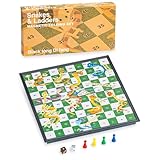
- This is an old Indian board game, 2+ players; suitable for fun of all ages; the playing field has numbered grid squares; the purpose of the game is to roll the dice, with the help or hindrance of ladders and snakes respectively
- Portable and foldable board: The complete set measures 9.6 x 8.3 x 0.9 inches (24.5 x 24.5 x 2.4 cm) and weighs 0.4 kg (0.86 lb); store the chess pieces and dice in the box
- Our powerful magnets can hold all your game parts in place. Even if you accidentally bump into it, your snake ladder board game will stay still.
- The magnetic characteristics of the board and pieces mean that your game will remain as it is Complete accessories: The set comes with four different red, green, yellow and blue chess pieces and a pair of dice
PELUSAS is great for addition, mental math and logic.

- Value for money
- Easy to use
- Durable & Design
Summer Can Also Be a Time for Parents to Learn and Prepare
Before we finish, I also want to share one final thought.
Summer can also be a wonderful opportunity for parents to prepare themselves for the upcoming school year.
If you’ve been wanting to better understand how reading develops, or if you’re planning to teach your child to read, summer can be the perfect time to learn more about the process yourself.
As some of you may know, I’ve been working on updating my book, How to Teach a Child to Read from Scratch Step-by-Step.

My goal with this book is to help parents understand how reading works and provide a clear roadmap for teaching reading from the ground up.
Depending on when you’re reading this article, the updated version may already be available or available for pre-order on Amazon. If not, the original 2022 ebook version is still available, very similar, and only $0.99 at the time of writing.
Conclusion
Summer is not about pushing children harder. It’s about maintaining skills while still allowing children to enjoy being children.
Consistency goes a very long way.
Even 10 or 15 minutes a day (or every other day) can make a real difference over the course of a long summer break.
I hope some of these ideas were helpful.
Video version of this article available. Watch below!

Hey there! I’m Laura – an author, YouTuber, blogger, and the creator of the “Learning Reading Hub” platform. I created this space to dive into the world of reading instruction and to shout from the rooftops about how vital it is to use the right methods for teaching reading. I’ve got a TEYL certification (Teaching English to Young Learners), plus a Journalism degree from the University of Navarra in Spain, along with a Master’s Degree in Communication.
I’ve always loved digging into research, jotting down my thoughts, connecting with people, and sharing what makes me tick. With a background in marketing, digital projects, and the education scene (especially language learning), I’m all about wearing different hats.
When my first kid needed to learn how to read, it opened my eyes to the challenges and complexities involved. This journey took me through a rollercoaster of self-teaching, eye-opening discoveries, and yeah, some letdowns too. There’s so much conflicting info out there, along with methods that just don’t cut it. And let’s face it, these issues are way too common.
Now, I’m all about channeling that passion (without sounding like a know-it-all!) and sharing my journey. My mission? Making it easier for those who are on the same path I once was.
My heart’s with my family and the amazing Learning Reading Hub project. I live with my husband and two little ones, raising them in a bi-lingual environment (English and Spanish).
)